Peripheral Neuropathy and Sleep: Can Laser Therapy Help?
Peripheral neuropathy is a condition that affects the peripheral nerves, located outside the brain and spinal cord, often causing pain, tinging, numbness, or burning sensations in the hands, ankles, and feet. While the physical discomfort poses a huge challenge during the day, it can cause you even more trouble at night, making getting quality sleep feel nearly impossible.
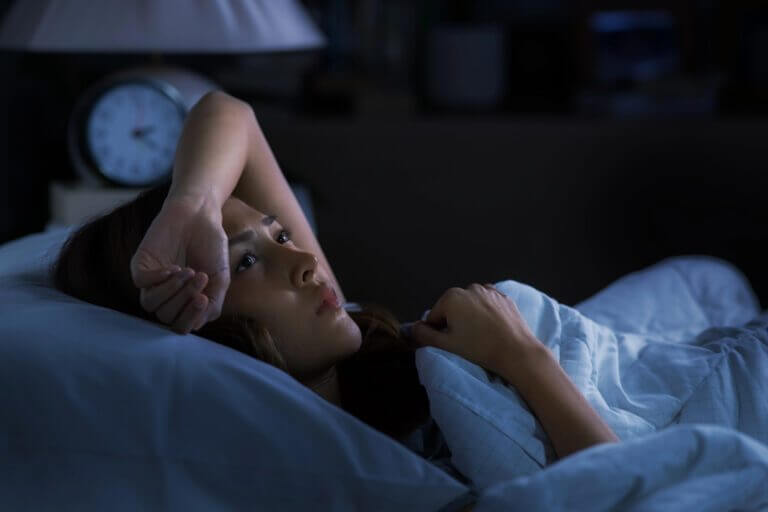
Sleep plays a vital role in the body’s healing process, but for those with neuropathy, the night brings intensified pain instead of blissful rest. Understanding why this happens and how emerging treatments, such as laser therapy, might help can provide you with much-needed relief.
What Causes Peripheral Neuropathy?
Peripheral neuropathy is either inherited or acquired. Acquired neuropathy either has no cause or stems from:
- Diabetes
- Autoimmune disorders (such as rheumatoid arthritis and lupus)
- Hypothyroidism
- Vitamin/nutritional deficiencies
- Trauma
- Medications
- Alcoholism
Why Neuropathy Pain Can Be Worse at Night
People with peripheral neuropathy often report that symptoms flare after the sun goes down. Common reasons include:
Reduced Distractions — During the day, your time is filled with activities and movement that can distract you from the pain. At night, when you slow down and things get quiet, you notice your pain a lot more.
Position Changes — Lying down may increase nerve compression or decrease the blood flow to your limbs, which can heighten symptoms, particularly numbness and tingling.
Temperature Sensitivity — Some neuropathy sufferers experience increased pain when their feet and hands are either too cold or too warm at night. This happens because damaged nerves may translate the temperature change to a feeling of tingling, sharp, or burning pain.
Circadian Rhythm — Your body’s pain perception can vary throughout the day, sometimes peaking during the night.
Emotional State — You may feel more stressed and anxious at night, which can amplify pain signals and worsen your symptoms.
This all results in difficulty falling asleep, frequent waking, and decreased overall rest quality.
How Poor Sleep Impacts Neuropathy
Lack of restorative sleep doesn’t just leave you tired; it can also worsen neuropathy symptoms. Sleep deprivation increases inflammation, reduces pain tolerance, and impairs the nervous system’s ability to repair itself. Over time, this transforms into a vicious cycle where pain prevents sleep and poor sleep fuels more pain.
Where Laser Therapy Comes In
Low-Level Laser Therapy (LLLT), sometimes referred to as cold laser therapy, is a non-invasive treatment designed to stimulate cellular repair, improve circulation, and reduce inflammation. For peripheral neuropathy, laser therapy may:
Enhance Nerve Function — Light energy helps stimulate the regeneration of damaged nerve tissue.
Increase Blood Flow — Better circulation supports nerve health and reduces discomfort.
Reduces Inflammation — Lower swelling and irritation around nerves can help ease pain.
Promote Endorphin Release — Laser therapy may boost natural pain-relieving chemicals, making it easier to relax.
Can It Really Improve Sleep?
While laser therapy is not a treatment specifically for sleep, it can reduce pain and discomfort, which can, in turn, promote better rest. Patients who experience less burning pain, tingling sensations, or numbness at night often find it easier to fall asleep and stay asleep.
Other Tips to Sleep Better with Neuropathy
Maintain a Consistent Sleep Schedule — Going to bed and waking up at the same time daily helps regulate your body’s internal clock. Try to get yourself on a sleep schedule, even on the weekends.
Adjust Your Sleep Environment — Ensure you have breathable bedding, maintain a comfortable temperature in your room, and invest in a mattress that reduces pressure on sensitive areas or an adjustable bed that allows you to elevate your legs to improve circulation and reduce swelling.
Practice Relaxation Techniques — Do some light movement before bed to improve circulation and practice relaxation techniques like meditation, deep breathing exercises, or listening to calming music. Consider taking a warm bath before bed.
Limit Stimulants — Avoid drinking caffeine, smoking or vaping, and eating heavy meals before bedtime.
Manage Diet and Exercise — Focus on eating healthy and doing light exercise, like walking or yoga, to reduce pain, improve blood flow, and help you sleep better at night.
The Bottom Line
Peripheral neuropathy can make it hard for you to stay well-rested. Addressing the root cause of your nighttime discomfort can make a real difference. Laser therapy offers a promising, non-invasive approach to reducing pain and supporting nerve regeneration, which can help you get the restorative sleep your body needs.
If you’re struggling with neuropathy symptoms that keep you up at night, come into Virginia Laser Therapy and see how laser therapy can help treat your nerve pain. Restoring your nights could be the first step to improving your days and overall quality of life.